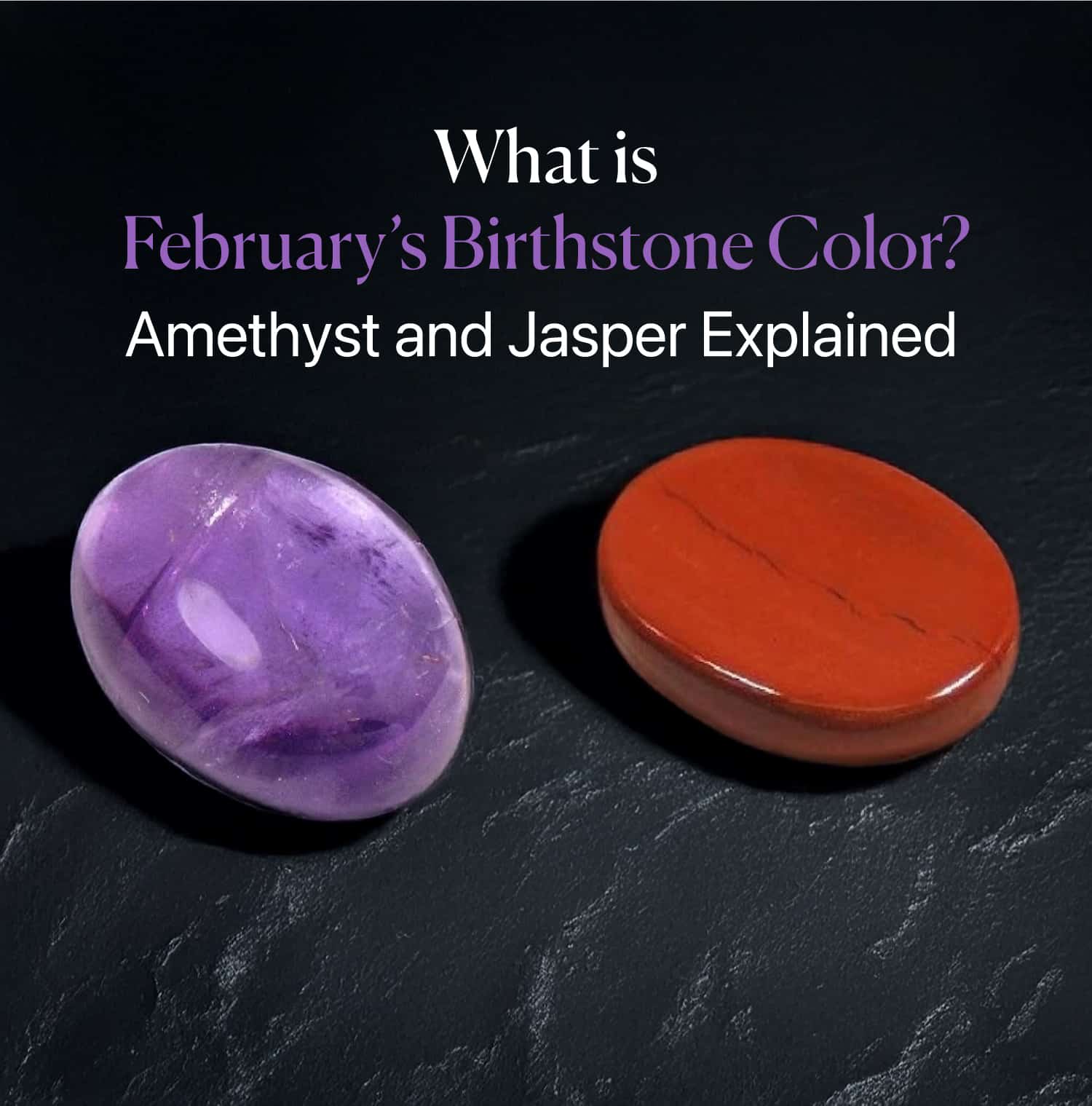
What is February’s birthstone? I’m thrilled to share the answer: amethyst and jasper, two gems that capture the heart of this vibrant month. Amethyst, with its stunning purple hues from soft lilac to deep violet, radiates clarity and peace, perfect for your introspective moments.
Jasper, the alternative birthstone, offers earthy reds, yellows, greens, and unique patterns, grounding you with its calming strength. These February birthstones blend beauty and meaning, making them ideal for jewelry that reflects your style.
In this blog, I’ll explore their colors, meanings, rich history, buying tips, styling ideas, and answer your FAQs. Curious about other gems? Discover the March birthstone color for more inspiration.
Exploring Amethyst: The Purple Gem of February
Amethyst, February’s primary birthstone, captivates with its mesmerizing purple hues and deep spiritual resonance. I’m drawn to its ability to transform any piece of jewelry into a statement of elegance and meaning.
As the quintessential February birthstone, amethyst’s allure lies in its vibrant colors, from soft lilac to regal violet, and its timeless connection to wisdom and peace. Whether you’re choosing a ring to wear daily or a pendant for a special occasion, amethyst offers a versatile charm that speaks to both heart and soul.
In this section, I’ll dive into the February birthstone color, explore its profound meanings, and highlight its unique variations, so you can find the perfect amethyst to celebrate your birth month. Let’s uncover why this gem holds such a special place in jewelry and spirituality.
The Allure of Amethyst’s Color
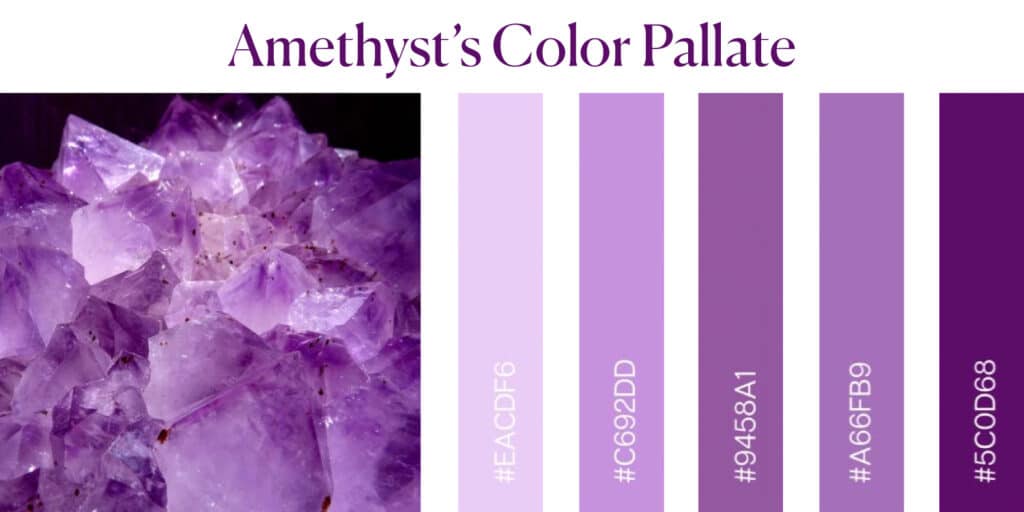
Amethyst’s color is what makes it the star of February’s birthstones. Its purple shades range from delicate, almost translucent lilac to deep, velvety violet, each hue carrying a distinct aesthetic appeal. I find the pale lilac amethysts perfect for subtle, everyday pieces like stud earrings, while the rich, royal purples shine in bold necklaces or cocktail rings.
The February birthstone color, purple, is synonymous with luxury and creativity, evoking a sense of calm and sophistication. You’ll notice that deeper, more saturated violets often fetch higher prices due to their rarity and intensity, but even lighter shades have a dreamy charm that’s hard to resist.
I love how amethyst’s color adapts to different lighting—sparkling brightly in daylight and glowing warmly under candlelight. This versatility makes it a favorite for jewelry lovers, whether you’re dressing up for a gala or adding a touch of elegance to your casual look.
Amethyst’s purple palette truly defines the birthstone for February, offering a hue for every mood and style.
Amethyst’s Spiritual Meanings
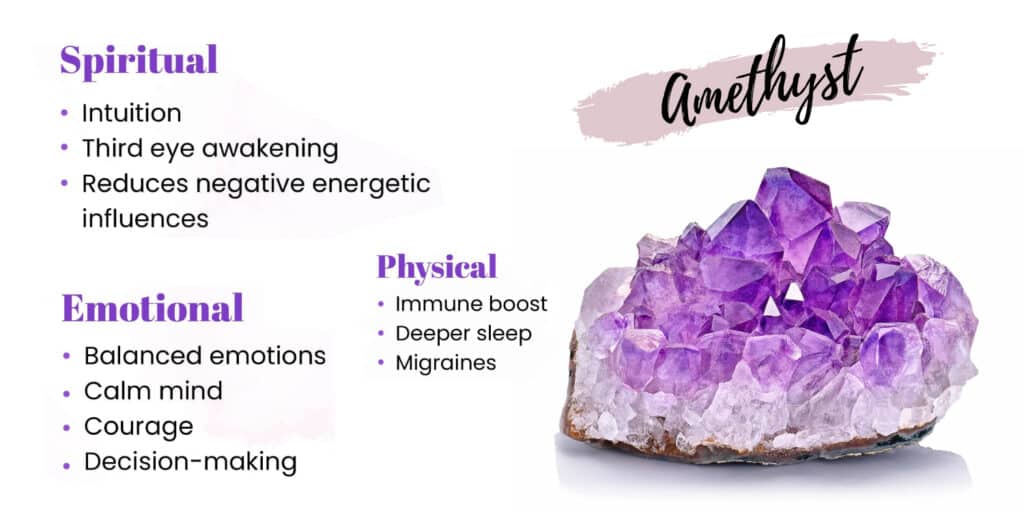
Amethyst’s spiritual significance is as captivating as its color. I believe its ties to wisdom, peace, and intuition make it a powerful February birthstone for those seeking clarity in life’s chaos. You can wear amethyst to enhance your meditation practice, as it’s said to quiet the mind and open your intuition, helping you connect with your inner self.
In spiritual circles, it’s often called the “stone of sobriety,” rooted in ancient beliefs that it could protect against excess. I find its calming energy perfect for February, a month of reflection and renewal. Whether you’re navigating a tough decision or simply want to feel more centered, amethyst’s serene vibe is like a gentle guide. Here are some key facts about this gem’s essence:
- Amethyst’s purple color comes from iron impurities and natural irradiation in quartz.
- It’s associated with the crown chakra, linking to spiritual enlightenment.
- Amethyst is the traditional gem for the 6th wedding anniversary.
You’ll feel a sense of tranquility wearing an amethyst pendant or ring, knowing it carries centuries of spiritual wisdom.
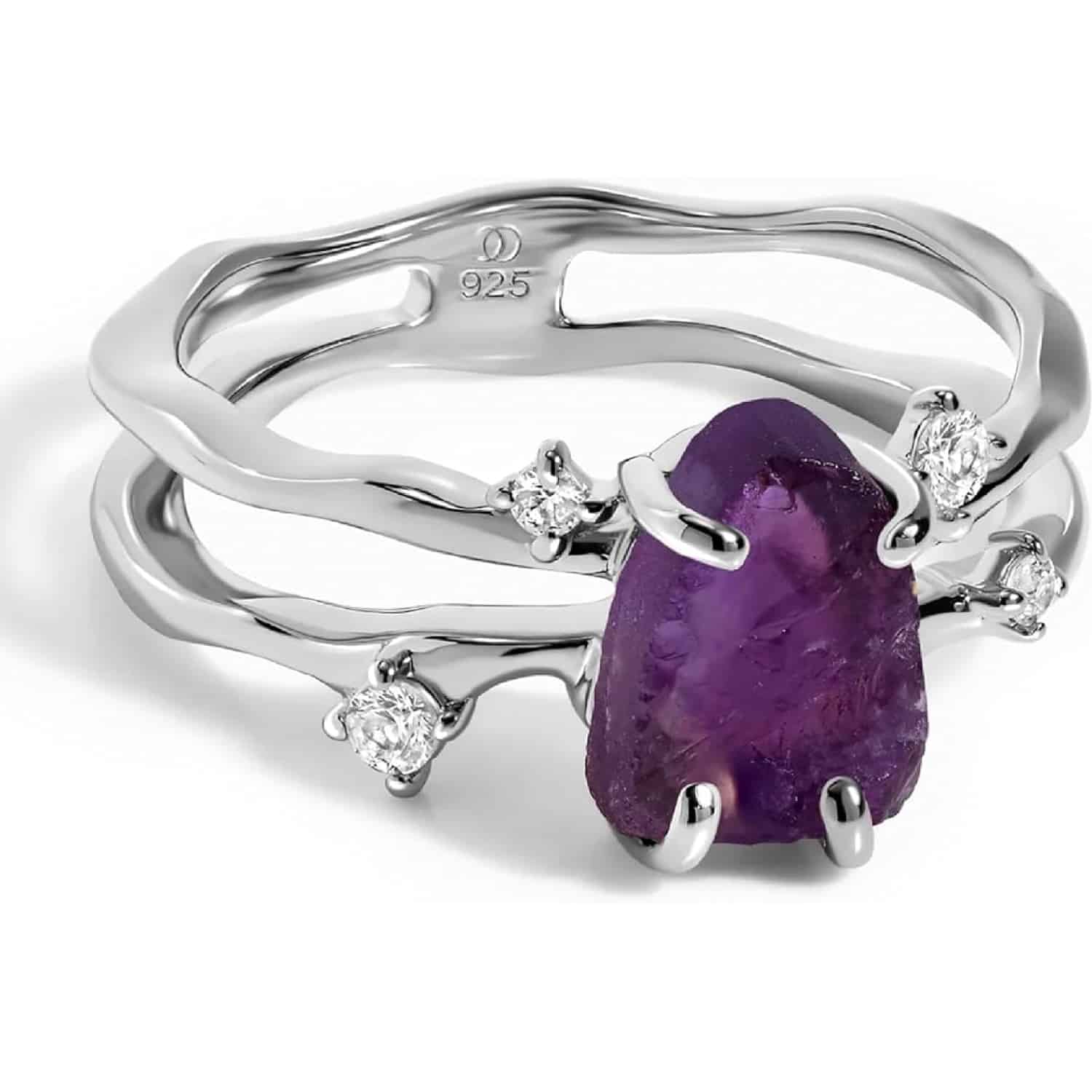
Raw amethyst wedding ring in rhodium-plated silver, from Moon Magic’s Flow Collection. Organic, untreated gemstone.
Pros:
✅ Authentic raw amethyst gemstone with unique inclusions
✅ Rhodium-plated sterling silver for long-lasting shine
✅ Hypoallergenic, nickel-free, and lead-free materials
✅ Untreated for an organic and natural look
Cons:
❌ Amethyst is softer compared to other gemstones, making it more prone to scratches with frequent wea

Amethyst Variations
While purple amethyst reigns as February’s iconic birthstone, I’m excited to share its lesser-known variations, like green amethyst, also called prasiolite. This pale green variety, formed through heat treatment or natural irradiation, offers a fresh, earthy twist that’s rarer than its purple counterpart.
You might choose prasiolite for a unique necklace or earrings, especially if you love green gems but want something distinct from emerald. Another variation, ametrine, blends amethyst’s purple with citrine’s golden yellow, creating a striking two-tone effect that’s perfect for bold jewelry designs.
I find ametrine’s duality fascinating—it symbolizes balance, making it ideal for those who embrace both calm and energy. These variations are less common, so they often carry a premium, especially high-quality prasiolite or ametrine with vivid color zoning.
You can explore stunning amethyst pendant necklaces to see how these variations shine in jewelry. Whether you stick with classic purple or venture into green or two-tone, amethyst’s range lets you express your individuality as a February birthstone.
Jasper: February’s Earthy Alternative
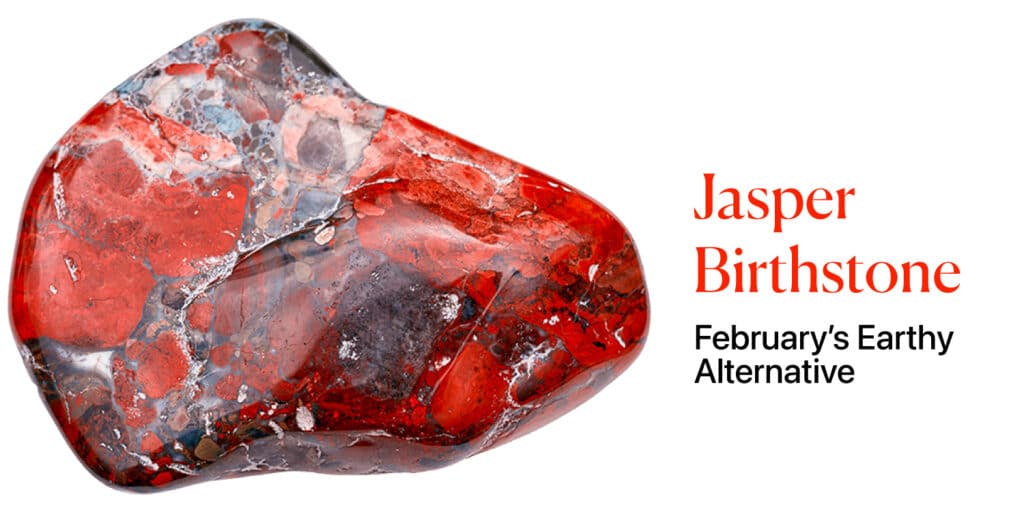
Jasper, February’s alternative birthstone, is a gem that feels like a piece of the Earth itself. I’m fascinated by its diverse colors and patterns, from fiery reds to soothing greens, each stone telling a unique story. Unlike amethyst’s polished elegance, jasper offers a raw, grounded beauty that makes it one of the most versatile February birthstones alternate.
Whether you’re drawn to its bold hues for a statement bracelet or its intricate designs for a pendant, jasper brings a natural charm to your jewelry collection. I love how it connects you to nature, offering stability and courage in every wear.
In this section, we’ll explore jasper’s vibrant palette, its grounding symbolism, and its unique varieties, plus a detailed table to help you choose the perfect piece. Let’s dive into why jasper is a cherished choice for all February birthstones.
Jasper’s Diverse Palette
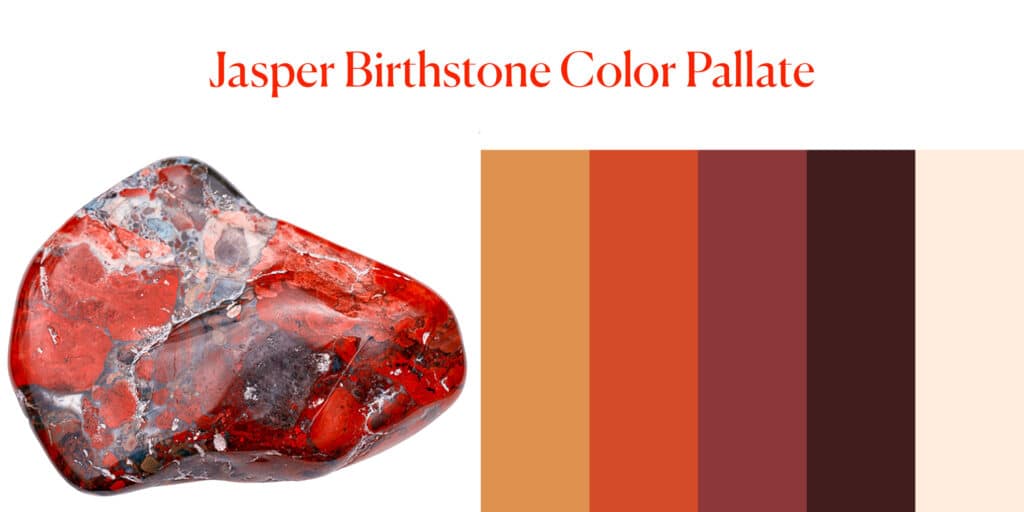
Jasper’s color range is a celebration of nature’s artistry, making it a standout among all February birthstones. You’ll find it in rich reds, warm yellows, lush greens, and even multicolored patterns that resemble landscapes or abstract paintings.
- Red jasper, with its deep, brick-like hue, feels bold and passionate, perfect for a chunky ring or beaded necklace.
- Yellow jasper glows with sunny warmth, ideal for brightening a casual outfit.
- Green jasper, like ocean jasper with its orb-like patterns, evokes tranquility and pairs beautifully with earthy tones.
I’m particularly drawn to patterned varieties, such as leopard skin jasper, which swirls with spots and streaks, making each piece one-of-a-kind. The February birthstones alternate like jasper shine because no two stones are identical, offering you a chance to wear something truly personal.
These colors and patterns make jasper a gem you can style for any occasion, from bohemian vibes to minimalist chic.
Jasper’s Grounding Symbolism
Jasper’s symbolism is all about rooting you in the present, and I find its energy incredibly uplifting. Known as the “supreme nurturer,” it embodies stability, courage, and emotional balance, making it a powerful companion for life’s ups and downs.
You might wear jasper to feel anchored during stressful times, as it’s believed to absorb negative energy and promote resilience. In cultural practices, jasper has been used in healing rituals across civilizations, from Native American traditions to Eastern meditation, to foster inner strength.
I think it’s perfect for February, a month of renewal, helping you stay grounded while chasing new goals. Here are some key facts about jasper’s essence:
- Jasper’s name derives from the Greek “iaspis,” meaning “spotted stone.”
- It’s linked to the root chakra, enhancing feelings of security.
- Red jasper was historically used as a talisman for warriors.
You’ll feel a sense of calm and confidence wearing jasper, whether it’s a bold red bracelet or a serene green pendant.
Unique Jasper Types
Jasper’s variety is what makes it so special, and I’m excited to highlight some standout types. Picture jasper, with its scenic, desert-like patterns, looks like a miniature painting, ideal for statement pendants that spark conversation.
Brecciated jasper, with its fragmented red and gray swirls, has a dramatic, mosaic-like appeal, perfect for bold rings or earrings. Ocean jasper, found only in Madagascar, features vibrant green and white orbs, making it a collector’s favorite for its rarity and beauty.
You might also love mookaite jasper, blending red, yellow, and purple for a vibrant, Australian-inspired look. These unique varieties let you choose a February birthstone that feels personal, whether you’re into earthy elegance or vivid flair.
Curious about similar gems? Explore orange agate for another warm, patterned stone that complements jasper’s charm. Each type offers endless possibilities for jewelry that reflects your style.
Jasper Varieties: A Detailed Comparison
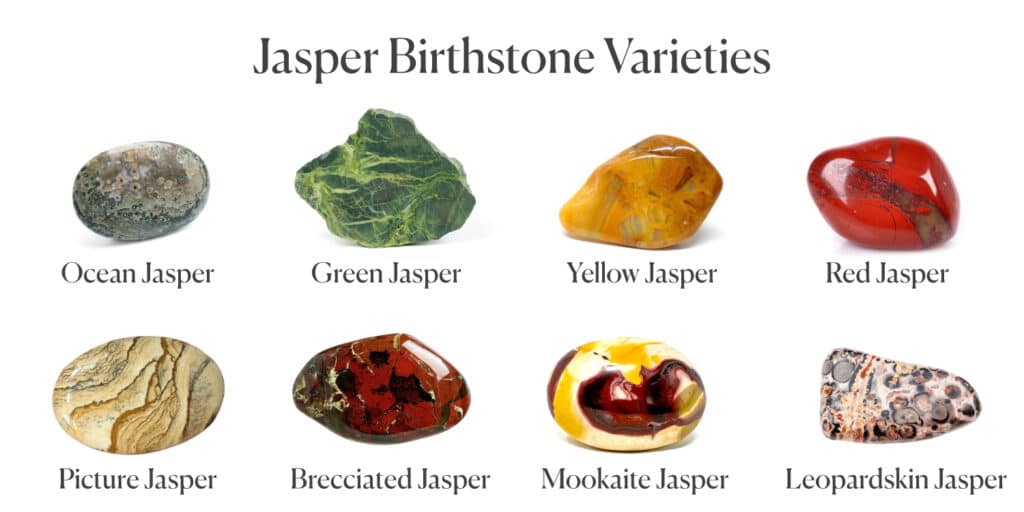
To help you pick the perfect jasper for your February birthstone jewelry, I’ve created a table comparing popular varieties, focusing on color, symbolism, and jewelry uses. This in-depth guide ensures you find a stone that resonates with your aesthetic and emotional needs.
| Jasper Variety | Color & Pattern | Symbolism & Uses | Jewelry Applications |
|---|---|---|---|
| Red Jasper | Deep red to brick, solid or veined | Courage, vitality; boosts physical energy | Beaded bracelets, rings, cabochon pendants |
| Yellow Jasper | Bright yellow to mustard, often mottled | Optimism, protection; aids decision-making | Earrings, layered necklaces, small studs |
| Green Jasper | Olive to forest green, sometimes spotted | Healing, harmony; promotes emotional calm | Carved pendants, statement rings, beads |
| Ocean Jasper | Green, white, pink with orb-like patterns | Joy, renewal; enhances creativity | Collector’s pendants, bold earrings, cuffs |
| Picture Jasper | Brown, tan, beige with landscape patterns | Connection to Earth; inspires visualization | Statement necklaces, brooches, oval rings |
| Brecciated Jasper | Red and gray, fragmented mosaic patterns | Strength, focus; balances emotions | Chunky rings, drop earrings, bold cuffs |
| Mookaite Jasper | Red, yellow, purple, multicolored swirls | Versatility, adventure; encourages adaptability | Beaded necklaces, mixed-stone bracelets |
| Leopard Skin Jasper | Beige, brown, spotted or streaked | Animal energy, protection; fosters confidence | Cabochon pendants, layered rings, beads |
This table shows why jasper is so versatile—you can choose red jasper for a bold, energetic look or ocean jasper for a rare, artistic piece. I recommend picture jasper for unique necklaces that draw attention, while yellow jasper suits subtle, everyday earrings.
Jasper’s affordability (typically $5-$50 per piece) makes it easy to experiment with multiple varieties, letting you build a collection that’s as dynamic as you are.
Tracing the History of February’s Gems
Amethyst and jasper, February’s birthstones, carry histories as rich as their colors. I find their stories captivating, weaving through ancient myths, royal courts, and sacred rituals. These gems have adorned warriors, priests, and artisans, each culture adding layers to their legacy.
Understanding their past makes wearing them today feel like carrying a piece of history. Whether you’re drawn to amethyst’s purple elegance or jasper’s earthy patterns, their timeless appeal connects you to centuries of human experience.
Let’s explore the ancient roots of amethyst and the enduring legacy of jasper, uncovering why these February birthstones remain cherished. Want to dive into other gem histories? Check out the December birthstone for another fascinating tale.
Amethyst’s Ancient Roots
Amethyst’s history sparkles with myth and reverence. I’m fascinated by its Greek origins, where it was named “amethystos,” meaning “not intoxicated.” The Greeks believed it protected against drunkenness, often carving it into wine goblets to ward off excess.
You can imagine ancient revelers trusting amethyst to keep their wits sharp. By the Renaissance, its deep purple hue made it a favorite among clergy, symbolizing purity and spiritual wisdom. Bishops wore amethyst rings, earning it the nickname “Bishop’s Stone.”
I love how this gem bridged the sacred and the practical, from protecting soldiers in battle to adorning royal crowns. Its use in ancient Egypt as a carved amulet adds another layer, linking it to eternal life.
Amethyst’s journey through time shows why it’s February’s primary birthstone, carrying a legacy of clarity and divine connection that you can feel in every piece.
Jasper’s Timeless Legacy
Jasper’s history is as grounded as its earthy tones, and I’m amazed by its global reach. In ancient Egypt, artisans carved jasper into scarabs and amulets, believing it offered protection in the afterlife. You’d find red jasper tucked into tombs, a symbol of life’s vitality.
In Mesoamerica, civilizations like the Maya used jasper for intricate carvings and ceremonial tools, valuing its strength and beauty. I picture warriors wearing jasper talismans for courage, a practice echoed in medieval Europe where it was thought to shield against harm.
Its name, from the Greek “iaspis” or “spotted stone,” hints at its patterned allure, which made it a favorite for seals and ornaments across cultures. From Babylon to Native American tribes, jasper’s role as a nurturing, protective stone endures.
You can wear jasper today, feeling its ancient energy, a testament to its timeless place among February birthstones.
Amethyst vs. Jasper: A Side-by-Side Look
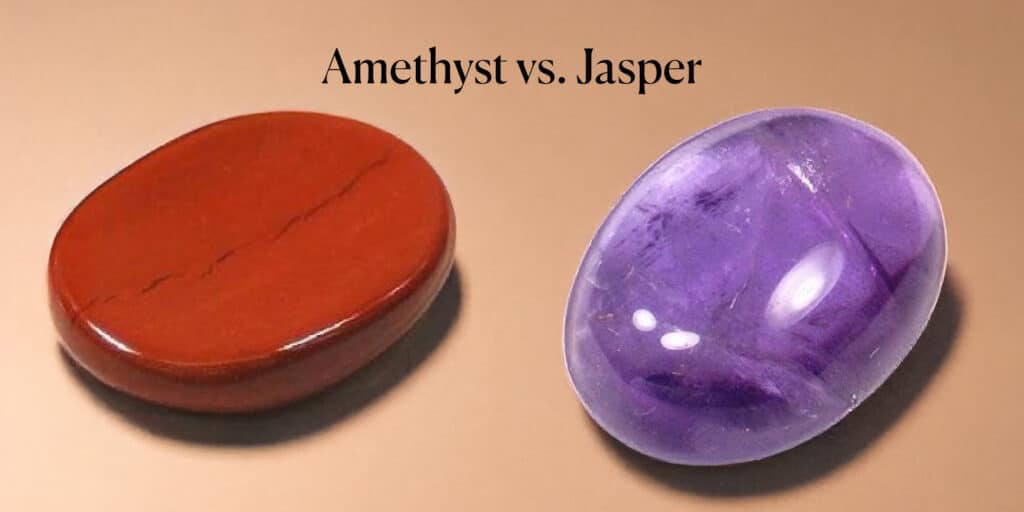
Deciding between amethyst and jasper for your February birthstone can feel like choosing between elegance and earthiness. I love how these gems offer distinct vibes—amethyst with its polished purple glow and jasper with its rugged, patterned charm.
To help you pick the perfect stone, I’ve created an in-depth table comparing their color, hardness, price, symbolism, and jewelry applications. Whether you’re drawn to amethyst’s serene clarity or jasper’s grounding energy, this side-by-side look will guide your choice based on style or meaning.
Curious about other gem values? Explore the aquamarine gemstone price for more insights. Let’s break down the differences so you can find a February birthstone that resonates with your personality and budget.
| Feature | Amethyst | Jasper |
|---|---|---|
| Color | Purple (pale lilac to deep violet, some green prasiolite) | Red, yellow, green, brown, multicolored with patterns (e.g., ocean, picture jasper) |
| Hardness (Mohs) | 7 (resists scratches, ideal for daily wear) | 6.5-7 (slightly softer, durable but needs care in rings) |
| Price (per carat/piece) | $20-$100 (vivid purple higher; ~$50 for 1-carat gem) | $5-$50 (varies by pattern; ~$10 for polished beads) |
| Symbolism | Wisdom, peace, intuition; tied to crown chakra, sobriety | Stability, courage, balance; linked to root chakra, resilience |
| Jewelry Applications | Faceted rings, pendants, earrings; suits elegant, polished looks | Cabochon pendants, beaded bracelets, statement rings; fits rustic, bohemian styles |
| Clarity | Transparent to translucent, often eye-clean | Opaque, valued for unique patterns over clarity |
| Sourcing | Brazil, Uruguay, Zambia; widely available | Australia, Madagascar, USA; varied by type |
| Rarity | Common, with rare prasiolite or ametrine | Common, with ocean jasper rarer due to limited deposits |
| Best Metal Pairing | Silver, white gold for cool tones | Gold, bronze for earthy warmth |
| Cultural Use | Meditation, spiritual rituals, royal jewelry | Healing amulets, ancient carvings, warrior talismans |
Choosing Your February Birthstone
This table highlights why amethyst and jasper appeal to different tastes. If you lean toward refined, sparkling jewelry, I’d pick amethyst—its vibrant purple and clarity shine in faceted rings or delicate earrings, perfect for formal or minimalist looks.
Its higher price reflects its polish and spiritual depth, ideal if you value wisdom and elegance. Jasper, on the other hand, is your go-to for bold, natural style. You might love its affordability and unique patterns, like ocean jasper’s orbs, for casual bracelets or statement pendants that scream individuality.
Its grounding symbolism suits those seeking emotional balance. I suggest choosing amethyst for a sophisticated gift or jasper for a personal, everyday piece—either way, you’re embracing February’s birthstone magic.
How to Buy February Birthstone Jewelry
Buying February birthstone jewelry is an exciting journey, and I’m here to guide you through choosing amethyst or jasper pieces that shine. Whether you’re eyeing amethyst’s radiant purple or jasper’s earthy patterns, knowing what to look for ensures you get quality and value.
I love how these gems offer something for every style—amethyst for elegant sparkle, jasper for rugged charm. This guide focuses on picking the perfect amethyst and finding quality jasper, with tips on color, clarity, patterns, and ethical sourcing.
You’ll be ready to make a confident purchase, whether for yourself or a loved one. Want to explore gem pricing? Check out sapphire cost for more insights. Let’s dive into the essentials of selecting February birthstone jewelry that you’ll treasure.
For those seeking the protective and calming energy of amethyst in jewelry, Otter Spirit offers a beautiful collection of AAA grade amethyst bracelets.
Picking the Perfect Amethyst
Amethyst’s beauty lies in its vibrant purple, and I recommend focusing on three key factors: color intensity, clarity, and cut. Look for a rich, even violet—deep, royal hues are most valuable, while pale lilac offers a softer charm.
Amethyst branch design ring in rhodium-plated sterling silver.
Pros:
✅ Rhodium-plated for enhanced durability and shine
✅ Beautifully symbolizes February’s birthstone with a nature-inspired design
✅ Comes with a 30-day return policy
Cons:
❌ None
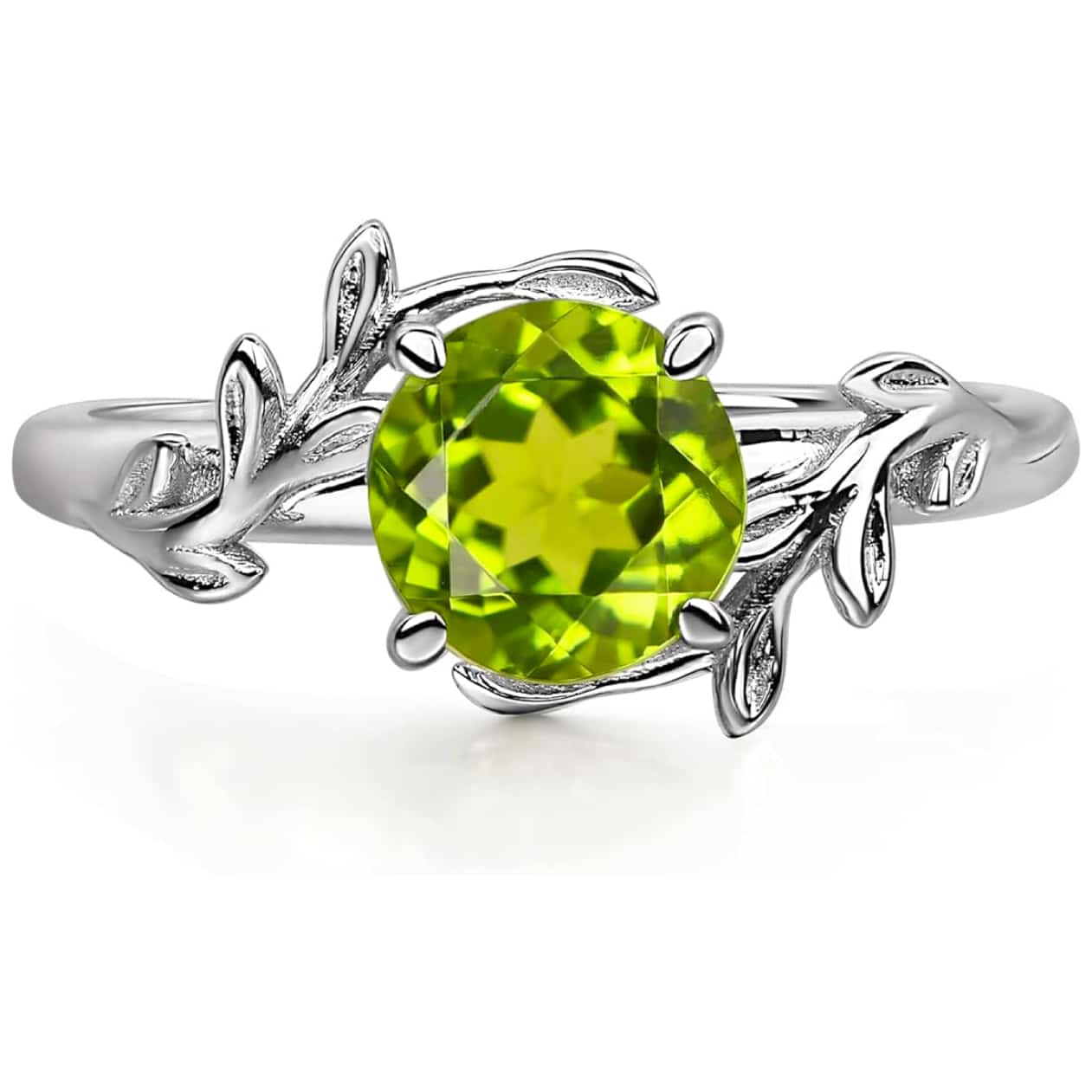
You should avoid stones with gray or brown undertones, as they dull the gem’s sparkle. Clarity matters too; eye-clean amethysts, free of visible inclusions, reflect light brilliantly, ideal for rings or pendants.
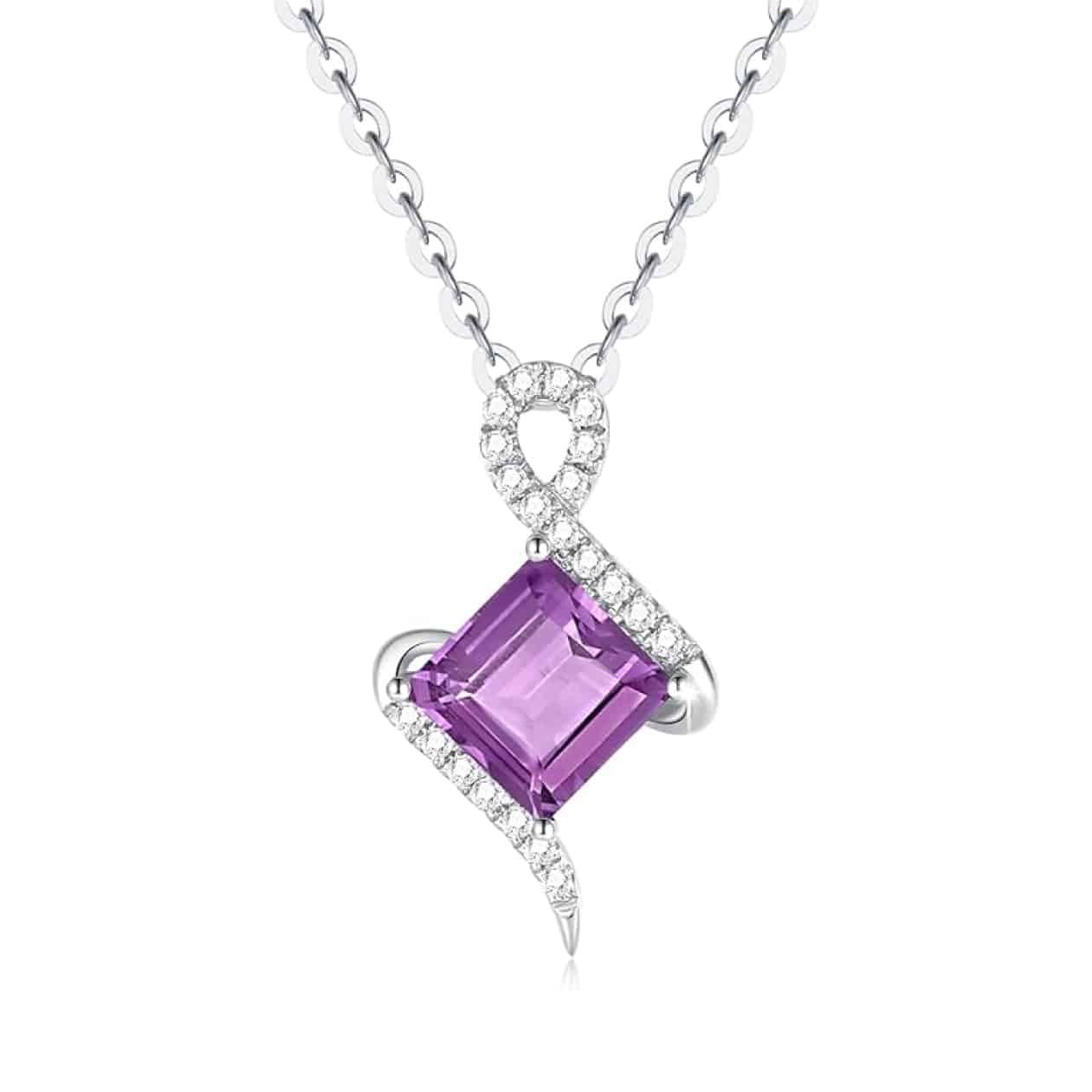
14K white gold amethyst pendant necklace with sterling silver chain, a perfect February birthstone gift for any occasion.
Pros:
✅ Real 14K white gold pendant
✅ Natural amethyst gemstone, February birthstone
✅ Hypoallergenic, lead- and nickel-free materials
✅ Adjustable sterling silver chain (16" + 2")
✅ Ideal for special occasions like birthdays and anniversaries
Cons:
❌ Small pendant size may not suit those looking for bold jewelry
❌ Sterling silver chain requires regular care to prevent tarnishing
The cut, whether round or cushion, should maximize the stone’s fire—check for symmetry and polish under light. Ethical sourcing is crucial; opt for sellers disclosing origins like Brazil or Zambia, ensuring fair labor practices.
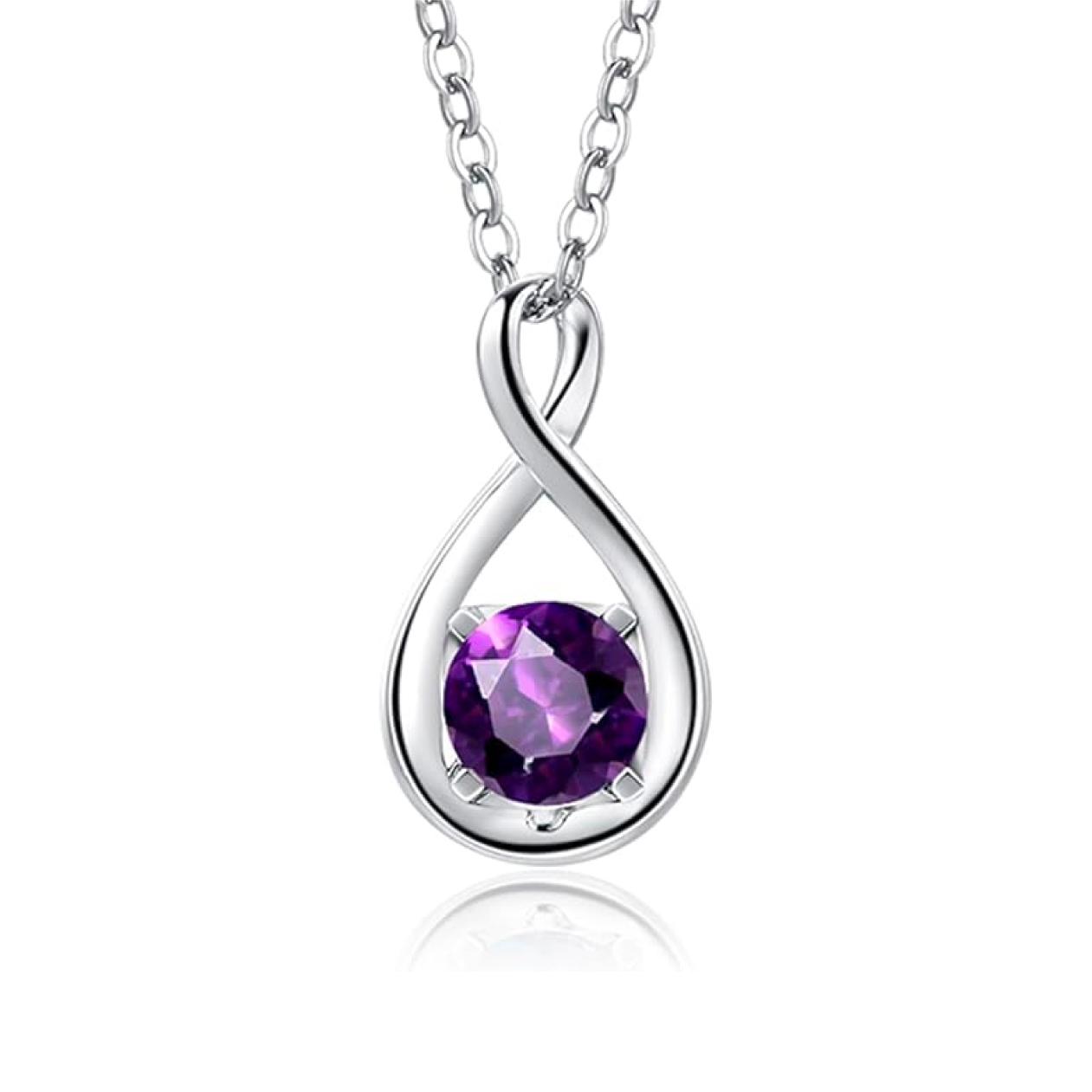
Elegant amethyst infinity pendant in 14K white gold with an adjustable sterling silver chain, perfect for gifting.
Pros:
✅ 14K solid white gold pendant
✅ Genuine amethyst, February birthstone
✅ Adjustable sterling silver chain (16" + 2")
✅ Infinity symbol representing eternal love
✅ Ideal for gifting on special occasions
Cons:
❌ Delicate size may not suit those preferring larger jewelry
❌ Chain may require regular polishing for shine retention
I suggest browsing Blue Nile ($50-$500) for certified amethysts. Here are some key facts:
- Vivid purple amethysts command 20% higher prices than pale ones.
- Brazilian amethysts dominate 70% of global supply.
- Faceted cuts enhance amethyst’s brilliance by 30%.
You’ll love an amethyst necklace or ring that glows with quality and ethical integrity.
Finding Quality Jasper
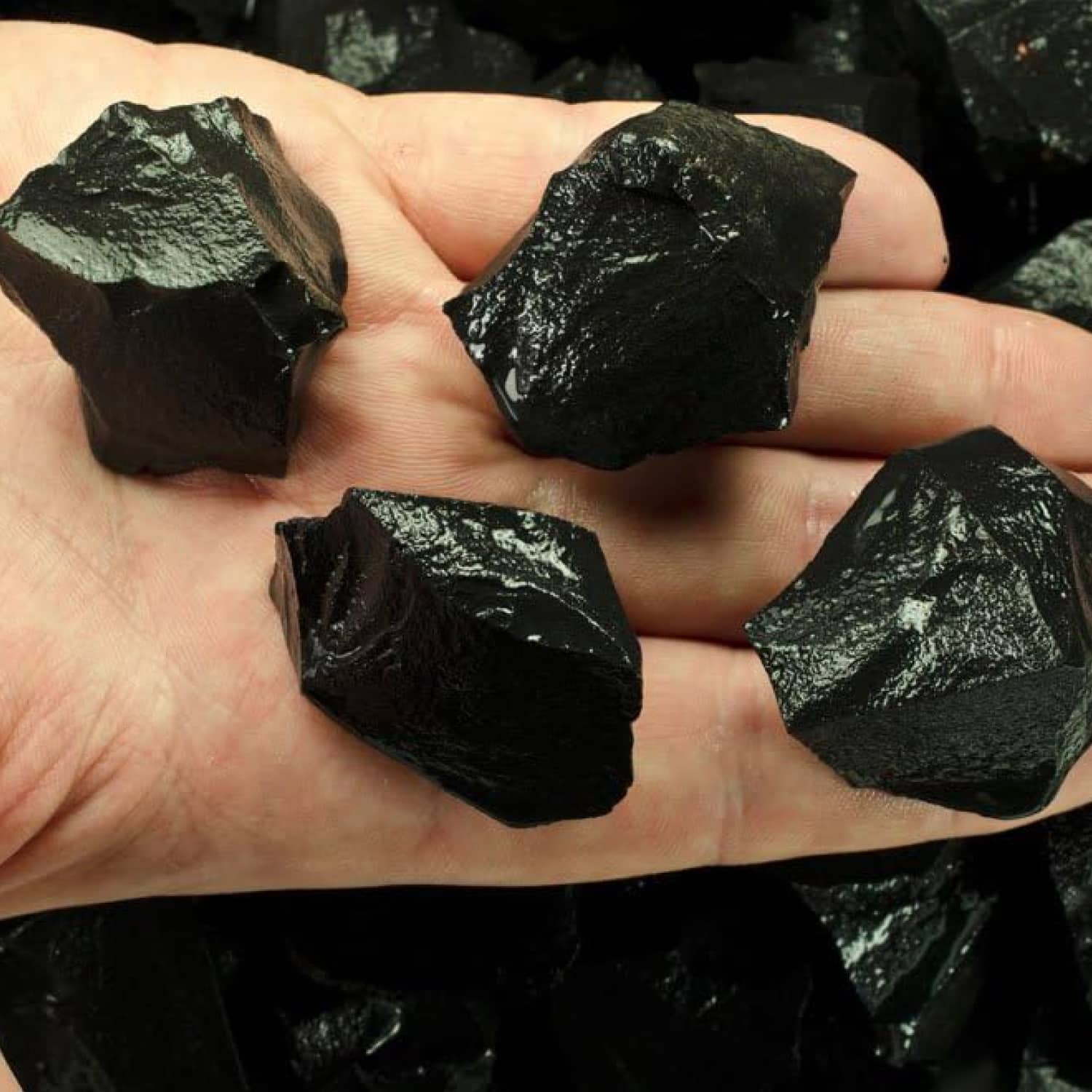
Premium Natural Black Jasper Rough
Perfect for Tumbling, Cabochons, Wire Wrapping, Reiki or Collecting
The Fantasia brand is from Fantasia Mining which is an AMERICAN COMPANY located in Massillon Ohio.
Each stone is unique and you will receive stones that look similar to our images. (stones pictured wet)
100% Authentic Fantasia Rough - A Brand Trusted Worldwide
Jasper’s allure is its unique patterns, and I encourage you to prioritize stones with bold, distinct designs. Varieties like red jasper, with its solid warmth, or ocean jasper, with orb-like swirls, make stunning pendants or bracelets.
You should inspect the stone’s surface—high-quality jasper has a smooth, polished finish, free of cracks or rough spots. Durability is a plus; with a Mohs hardness of 6.5-7, jasper holds up in everyday jewelry, though I’d avoid heavy impact for rings.
Consider the pattern’s appeal: picture jasper’s scenic designs suit statement pieces, while brecciated jasper’s mosaic look adds drama.
For budget-friendly options, check Amazon gemstone jewelry ($10-$100), but verify seller ratings to ensure authenticity. Sourcing matters—Australian or Madagascan jasper often indicates quality. These facts will help:
- Polished jasper increases visual appeal by 25% over raw stones.
- Ocean jasper’s limited Madagascar deposits raise its value 15%.
- Jasper’s opaque nature hides inclusions, prioritizing pattern over clarity.
You’ll find jasper jewelry that feels personal and durable, perfect for daily wear.
Styling Your February Birthstones
Amethyst and jasper, February’s birthstones, offer endless ways to elevate your style. I love how amethyst adds a touch of elegance, while jasper brings earthy flair. Whether you’re dressing for a busy day or a special night, these gems adapt to your vibe.
You can wear amethyst for polished sophistication or jasper for bold, natural charm, making them perfect for any occasion. This guide shares styling tips to help you shine, from subtle daytime looks to striking evening ensembles.
Want more jewelry inspiration? Explore gem necklaces for stunning ideas. Let’s dive into creating elegant amethyst looks and bold jasper styles that reflect your unique February birthstone spirit.
Elegant Amethyst Looks
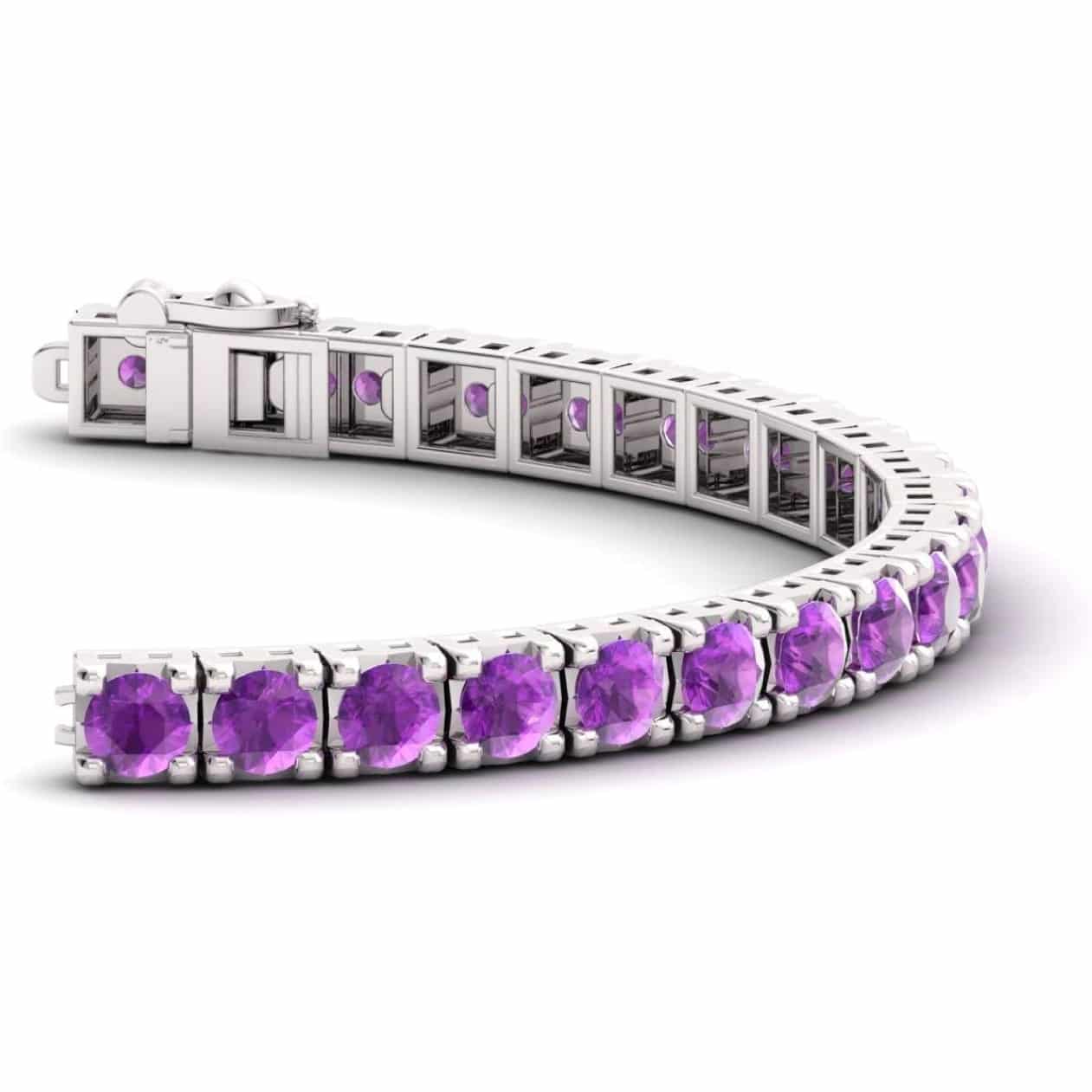
Diamondere 5.32ct amethyst tennis bracelet in 925 sterling silver, featuring 53 gemstones with a secure lobster claw clasp.
Pros:
✅ 5.32 carats of genuine amethyst gemstones in a stunning prong setting
✅ Made from solid 925 sterling silver, rhodium finished for extra shine
✅ Certified by the DGLA, ensuring authenticity and quality
✅ Comes in an elegant gift box with a free certificate of authenticity
✅ Perfect for daily wear or special occasions such as weddings, anniversaries, and holidays
Cons:
❌ Amethyst stones may not appeal to those looking for more neutral or understated tones
Amethyst’s purple glow is pure elegance, and I recommend pairing it with silver or white gold to enhance its cool tones. For daytime, try amethyst stud earrings with a crisp white blouse and jeans—simple yet chic.
At night, a faceted amethyst pendant against a black dress or velvet blazer steals the show, its violet sparkle catching every light. You can also layer amethyst rings with gold bands for a modern, mixed-metal look.
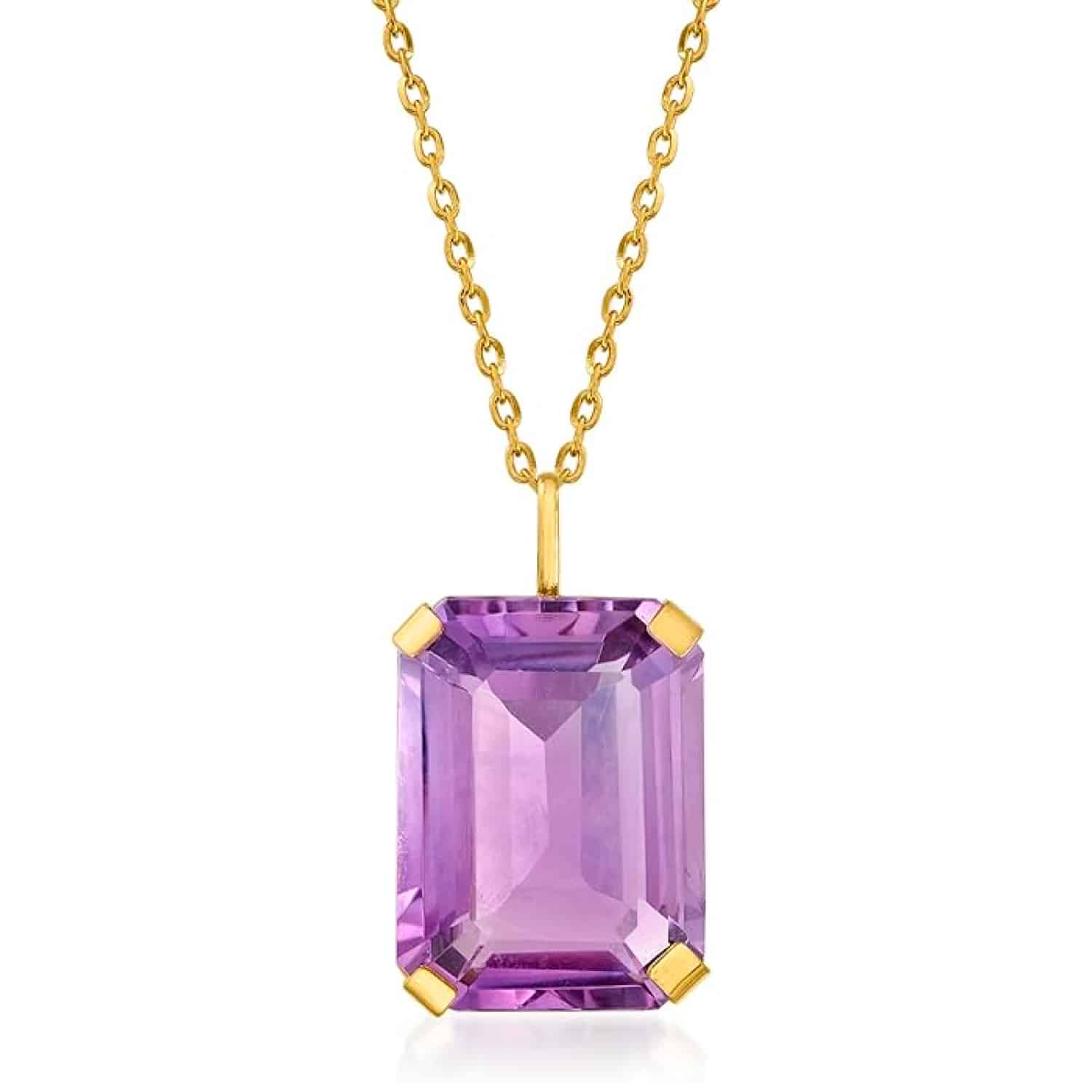
A luxurious 10.00 carat amethyst pendant necklace in 14kt yellow gold, featuring an 18-inch cable chain and spring ring clasp.
Pros:
✅ 10.00 carat genuine amethyst gemstone
✅ Crafted with polished 14kt yellow gold
✅ 18-inch cable chain with spring ring clasp for security
✅ Comes with a jewelry presentation box
✅ Each gemstone is unique, offering a one-of-a-kind piece
Cons:
❌ Natural imperfections such as inclusions and color variations may be present
I find deep purple amethysts pop against pastel sweaters, perfect for February’s cozy vibe. These pieces add sophistication without overpowering, letting you express your refined side effortlessly.
Bold Jasper Styles
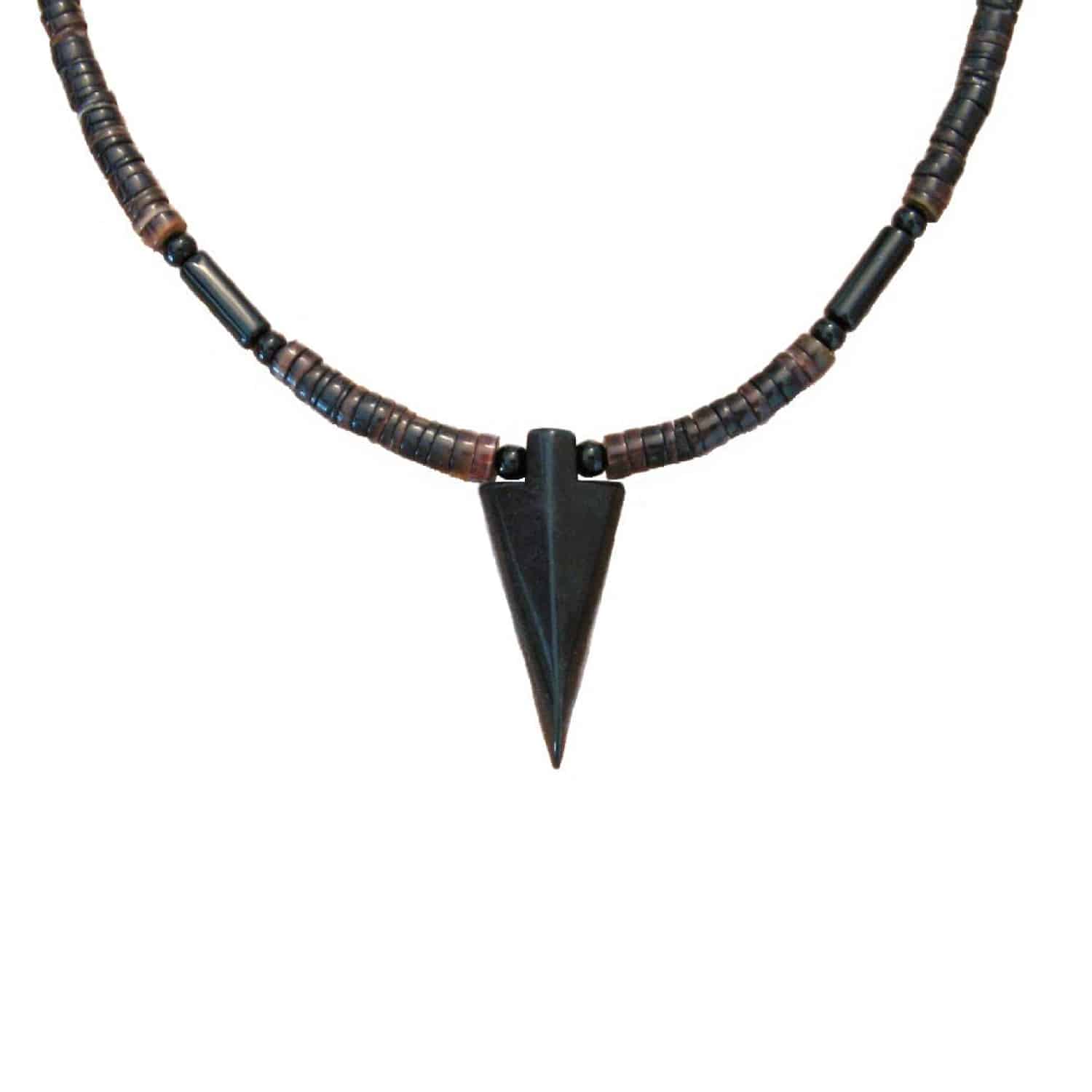
Black Jasper Arrowhead 40mm (L) x 19mm (W) x 7mm (D) Gemstone Pendant
Pen Shell 5mm Heishi Beads
Black Onyx 4mm Round Gemstone Beads
Black Onyx 13 x 4mm Gemstone Tubes
Gunmetal-Plated Trigger Clasp (Lead and Nickel Free)
Jasper’s earthy hues and patterns scream individuality, and I suggest combining them with leather or bronze for a rugged edge. For casual days, a red jasper beaded bracelet with a denim jacket and khaki pants feels grounded and stylish.
You’ll love ocean jasper’s green orbs in a statement pendant paired with a bohemian maxi dress for a festival-ready look. For bolder moments, try brecciated jasper earrings with a leather skirt and bronze accessories—they add drama without trying too hard.
Jasper’s natural textures shine in chunky rings or layered necklaces, ideal for showcasing your adventurous spirit. These looks make jasper a standout choice for February birthstone jewelry.
FAQ: Your February Birthstone Questions Answered
February’s birthstones, amethyst and jasper, spark a lot of curiosity, and I’m excited to dive into the questions you’re asking. From their colors and meanings to their rarity and luck, these gems hold a special place in jewelry and lore.
I’ve gathered the most common queries from the “People Also Ask” section to give you clear, detailed answers. Whether you’re wondering about amethyst’s value or jasper’s role as a birthstone, I’ll break it down so you can feel confident about your February birthstone choices. Let’s explore these fascinating gems together.
What are the 2 birthstones for February?
Amethyst and jasper are February’s two birthstones, and I love how they balance elegance with earthiness. Amethyst, the primary gem, dazzles with purple hues from pale lilac to deep violet, symbolizing wisdom and peace.
You’ll find it in everything from rings to pendants, perfect for adding sophistication. Jasper, the alternative, offers earthy reds, yellows, greens, and patterns like ocean jasper’s orbs, representing stability and courage.
I think it’s great for bold, natural jewelry like beaded bracelets. Both are recognized by gemological standards, giving you options to match your style—amethyst for polish, jasper for grounding. You can choose based on vibe or occasion, making February’s birthstones versatile and meaningful.
Whether you lean toward amethyst’s serenity or jasper’s rugged charm, you’re celebrating February with gems that resonate.
What is the alternative birthstone for February?
Jasper is February’s alternative birthstone, and I’m drawn to its raw, natural beauty. Unlike amethyst’s polished purple, jasper comes in a spectrum of earthy tones—red, yellow, green, brown—with unique patterns like swirls or spots.
You’ll see varieties like red jasper, bold and fiery, or ocean jasper, with its soothing green orbs, perfect for statement pendants or bracelets. I find jasper’s grounding energy, tied to stability and courage, ideal for those who love nature-inspired jewelry.
It’s less common than amethyst but equally recognized, offering a rustic contrast to February’s primary gem. You can wear jasper to feel connected to the Earth, especially in casual, bohemian looks. Its affordability and variety make it a great choice if you want something unique and personal for your February birthstone collection.
Is February a lucky birth month?
I often get asked if February is a lucky birth month, and I’d say it absolutely can be! February-born folks are tied to amethyst and jasper, gems steeped in positive lore. Amethyst is believed to bring clarity, peace, and protection, which I think feels like a lucky charm for navigating life’s challenges.
Jasper, with its grounding and courageous energy, is said to ward off negativity, boosting your resilience. In astrology, February spans Aquarius and Pisces, signs linked to creativity and intuition—qualities that can attract good fortune.
You might also find luck in February’s short, vibrant month, perfect for new beginnings. While luck is personal, I believe wearing your birthstone, whether an amethyst ring or jasper pendant, can amplify your confidence and optimism, inviting positivity.
So, February babies, you’ve got gems and traits that make your birth month shine!
Are amethysts expensive?
You’re probably wondering about amethyst’s cost, and I’m happy to share that it’s generally affordable. As February’s primary birthstone, amethyst ranges from $20-$100 per carat, depending on color and quality.
I find deep, vivid purple stones with eye-clean clarity pricier, around $50-$100, while pale lilac ones are cheaper, ~$20. Compared to gems like sapphire ($500+/carat), amethyst is a steal, thanks to abundant supplies from Brazil and Zambia. You can snag a stunning amethyst ring or pendant for $50-$500, making it accessible for most budgets.
Rare variations like prasiolite (green amethyst) or ametrine can cost more, up to $150/carat, due to limited availability. I love that amethyst offers luxury without the high price tag, letting you wear February’s birthstone with pride.
Check clarity and cut to ensure value, and you’ll find a piece that feels both special and budget-friendly.
Is amethyst a lucky stone?
I believe amethyst is indeed a lucky stone, and its lore backs this up. As February’s birthstone, it’s tied to wisdom, peace, and protection, qualities that feel like good fortune. Ancient Greeks thought it prevented intoxication, a form of safeguarding luck, and you’ll find it used in spiritual practices to clear negative energy.
I love how amethyst’s calming vibe, linked to the crown chakra, helps you make clear-headed decisions—lucky in tough moments! In crystal healing, it’s said to attract positivity and enhance intuition, guiding you toward opportunities.
You might wear an amethyst necklace to feel centered, boosting your confidence and inviting serendipity. While luck varies for everyone, I think amethyst’s serene energy makes it a talisman for February-born folks seeking balance and fortune.
Try it in a ring or pendant and see if its magic sparks some positivity for you.
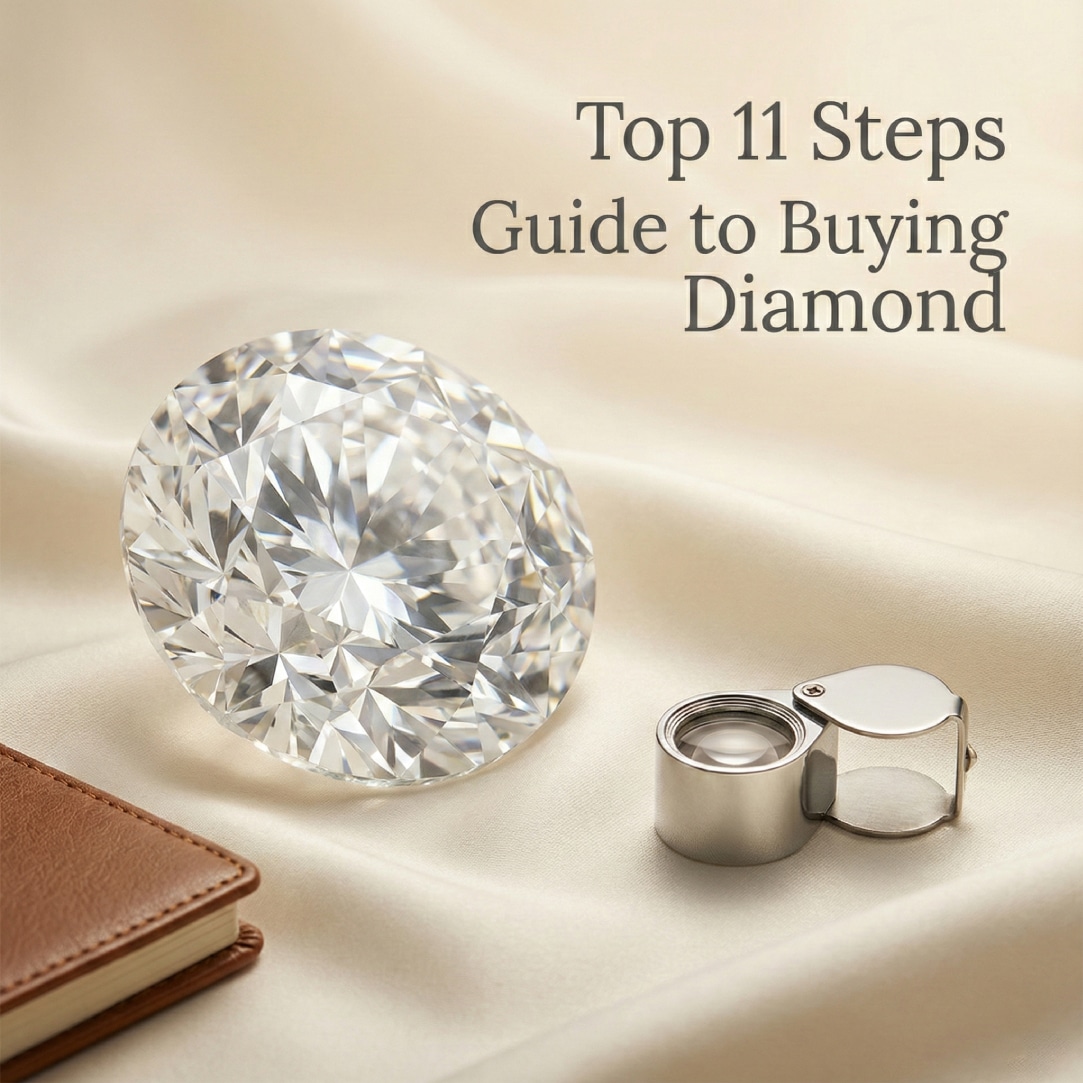
Is amethyst better than diamond?
Comparing amethyst and diamond is like choosing between warmth and brilliance, and I find both have unique strengths. Amethyst, February’s birthstone, offers stunning purple hues and spiritual meanings like peace and wisdom.
You can get a 1-carat amethyst for $20-$100, making it budget-friendly. Diamond, with its unmatched sparkle and Mohs 10 hardness, is pricier—$1,000+/carat—and symbolizes eternity. I think amethyst is better if you value color and affordability; its softer Mohs 7 suits most jewelry but needs care in rings.
Diamonds excel for durability and universal appeal, ideal for engagement rings. You might prefer amethyst for expressive, everyday pieces like pendants, while diamonds shine in heirlooms. Neither is “better”—it depends on your style and budget.
I’d choose amethyst for February’s personal touch and diamond for timeless investment. Pick what speaks to you!
Is amethyst rare or not?
You might wonder if amethyst is rare, and I’m here to clarify: it’s not rare, but certain types are. As February’s primary birthstone, amethyst is abundant, mined in Brazil, Uruguay, and Zambia, keeping prices low ($20-$100/carat).
Its purple quartz structure is common, making it accessible for jewelry like rings or earrings. However, I find rare variations like prasiolite (green amethyst) or ametrine (purple-yellow) less common, with limited deposits driving prices to $100-$150/carat. Deep, vivid purple amethysts with flawless clarity are also scarcer, fetching higher values.
You can easily find quality amethyst for everyday wear, but if you’re after unique shades or exceptional stones, they’re tougher to source. I love that amethyst’s availability lets you experiment, while its rare forms add exclusivity.
Whether you choose a classic purple pendant or a rare prasiolite ring, amethyst’s range suits every February birthstone lover.
How rare is pink amethyst?
Pink amethyst is a fascinating topic, and I’m excited to share its rarity. Technically, true pink amethyst is extremely rare, as amethyst is defined by its purple hue from iron and irradiation. What’s often called “pink amethyst” is rose quartz or lightly colored amethyst with a pinkish tint, found in small deposits in Argentina and Brazil.
These stones, priced at $30-$80/carat, are rarer than standard purple amethyst ($20-$100/carat) due to limited sources. I find their soft pink glow stunning in delicate necklaces or rings, offering a unique February birthstone option.
You should verify authenticity, as some “pink amethysts” are heat-treated or mislabeled. True pink amethyst, with distinct crystal structure, is a collector’s gem, making it a special find. If you love subtle hues, this rare variation adds a romantic touch to your February jewelry collection.
Is blue amethyst real?
You’re curious about blue amethyst, and I’m here to clear things up: true blue amethyst doesn’t exist naturally. Amethyst, February’s birthstone, is a purple quartz variety, with colors from lilac to violet due to iron and irradiation.
Blue hues are typically found in other quartz, like blue chalcedony, or heat-treated amethysts that mimic blue tones. These treated stones, sometimes sold as “blue amethyst,” aren’t natural and cost less, ~$10-$50/carat.
I find genuine blue gems, like sapphire or aquamarine, better for authentic blue jewelry. You might see mislabeled stones in earrings or pendants, so always check with reputable sellers. If you’re after February’s birthstone, stick to purple amethyst for its true beauty and meaning—wisdom and peace.
I love its classic purple for rings, but if you want blue, consider other gems to complement your February birthstone style.
Why is my amethyst turning blue?
If your amethyst is turning blue, I understand your concern, and I’ll explain why this might happen. Amethyst, February’s birthstone, is naturally purple due to iron and irradiation in quartz. It doesn’t turn blue naturally, but heat exposure or prolonged sunlight can alter its color, fading it toward pale blue or grayish tones.
For example, leaving an amethyst ring in direct sun for months might cause this. I’ve also seen cases where artificial treatments, like irradiation or heating, create a bluish tint, especially in low-quality stones. You should store your amethyst jewelry in a cool, dark place to prevent fading. If it’s already changed, a jeweler can assess if it’s treatable, though color restoration is rare.
I recommend embracing your amethyst’s unique shift or choosing a new purple piece to restore that February birthstone vibrancy. Check settings to ensure the stone itself is the issue.
Why is amethyst so cheap?
You might be surprised by amethyst’s affordability, and I’m happy to explain why it’s so budget-friendly. As February’s birthstone, amethyst is a common quartz variety, mined in abundance from Brazil, Uruguay, and Zambia. This high supply keeps prices low, typically $20-$100 per carat, compared to rarer gems like emerald ($500+/carat).
I find its accessibility perfect for stunning rings or pendants without breaking the bank. Even high-quality, deep purple amethysts with great clarity are affordable, around $50/carat. Rare variations like prasiolite or ametrine cost more ($100-$150/carat), but standard amethyst’s availability drives its low price.
You can enjoy its beauty and spiritual benefits—wisdom and peace—without a hefty investment. I suggest checking cut and clarity to maximize value, ensuring your February birthstone sparkles. Amethyst’s affordability lets you experiment with bold or delicate jewelry, making it a fantastic choice for any style.
What is the rarest color of amethyst?
The rarest color of amethyst isn’t purple but green, known as prasiolite, and I find it absolutely stunning. Standard amethyst, February’s birthstone, ranges from lilac to violet, but prasiolite forms through natural or heat-treated irradiation, creating a pale, minty green.
You’ll see it in limited deposits, mainly in Brazil and Arizona, making it pricier, ~$100-$150/carat, versus purple amethyst’s $20-$100. Another rare hue is ametrine, a purple-yellow blend, but prasiolite’s green is the most elusive.
I love its earthy elegance in necklaces or earrings, offering a fresh February birthstone option. You should verify authenticity, as some green quartz is mislabeled. If you’re after exclusivity, prasiolite’s rarity adds a unique flair to your jewelry.
Otherwise, deep purple amethyst remains a classic, accessible choice. Hunt for prasiolite to own a truly special piece of February’s gem legacy.
Is Jasper a birthstone for February?
Yes, jasper is a birthstone for February, and I’m thrilled to share its role as the alternative to amethyst. While amethyst takes the spotlight with its purple glow, jasper’s earthy reds, yellows, greens, and patterns like ocean or picture jasper make it a recognized February birthstone.
I find its grounding symbolism—stability and courage—perfect for those who prefer natural, rugged jewelry. You can wear red jasper bracelets for bold energy or green jasper pendants for calm vibes. It’s listed in modern gemological guides as a secondary birthstone, offering variety for February-born folks.
I love how jasper’s affordability ($5-$50/piece) lets you experiment with beaded or cabochon pieces. If you’re drawn to unique, nature-inspired designs, jasper’s diverse varieties make it a fantastic choice to celebrate your February birth month alongside amethyst’s elegance.
What is the birthstone for February and March?
February and March have distinct birthstones, and I’m excited to clarify them for you. February’s birthstones are amethyst, with its purple hues symbolizing wisdom, and jasper, an earthy alternative in reds, yellows, and patterns for grounding energy.
You can choose amethyst rings for elegance or jasper bracelets for natural flair. March’s birthstone is aquamarine, a serene blue gem evoking calm and courage, often paired with bloodstone as a secondary stone for strength. I find aquamarine’s ocean-like glow stunning in necklaces, while bloodstone suits bold rings.
Each month’s gems reflect unique vibes—February’s introspective, March’s refreshing. You might mix them, like an amethyst and aquamarine pendant, for a cross-month gift. These birthstones, recognized by gemological standards, let you celebrate your birth month with jewelry that resonates, whether you’re a February or March baby.
Conclusion: Celebrate February with Amethyst and Jasper
Amethyst and jasper, February’s birthstones, bring a beautiful blend of elegance and earthiness to your jewelry. I love how amethyst’s purple hues, from soft lilac to deep violet, radiate wisdom and peace, perfect for a stunning ring or pendant.
Jasper’s earthy reds, yellows, and unique patterns offer grounding energy, ideal for bold bracelets or natural looks. Together, they capture February’s spirit—introspective yet vibrant. Whether you’re drawn to amethyst’s polished charm or jasper’s rugged beauty, these gems let you express your style and connect with their rich meanings.
Explore your options at James Allen ($200-$3,000) for pieces that shine. Curious about more birthstones? Check out the October birthstone color for fresh inspiration. Embrace February’s magic with amethyst or jasper jewelry that feels uniquely you.